Mission Summary
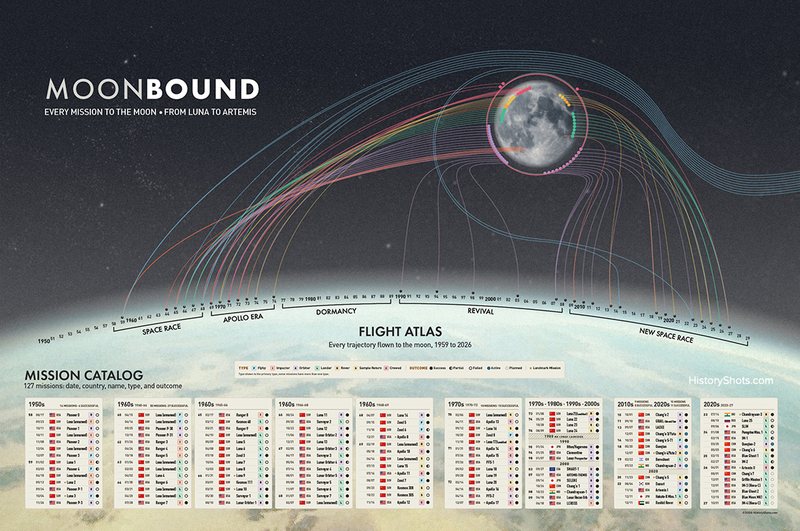
Luna 16 was a landmark Soviet mission that achieved the world’s first fully robotic collection of lunar samples and their safe return to Earth. Launched on September 12, 1970, the spacecraft entered lunar orbit before making a successful soft landing in Mare Fecunditatis (Sea of Fertility) on September 20.
Less than an hour after landing, Luna 16 drilled about 35 centimeters into the lunar surface, collected a core sample, and sealed approximately 101 grams of lunar soil inside a return capsule. After spending just over a day on the Moon, the ascent stage lifted off automatically, beginning the journey back to Earth. The capsule landed safely in Kazakhstan on September 24, completing the first robotic sample-return mission from another celestial body.
Luna 16 demonstrated that complex tasks such as landing, drilling, launching from the Moon, and returning samples to Earth could all be performed without human intervention. Its success became one of the Soviet Union’s greatest achievements in robotic space exploration.
Sources and notes can be found on the Sources page.