Mission Summary
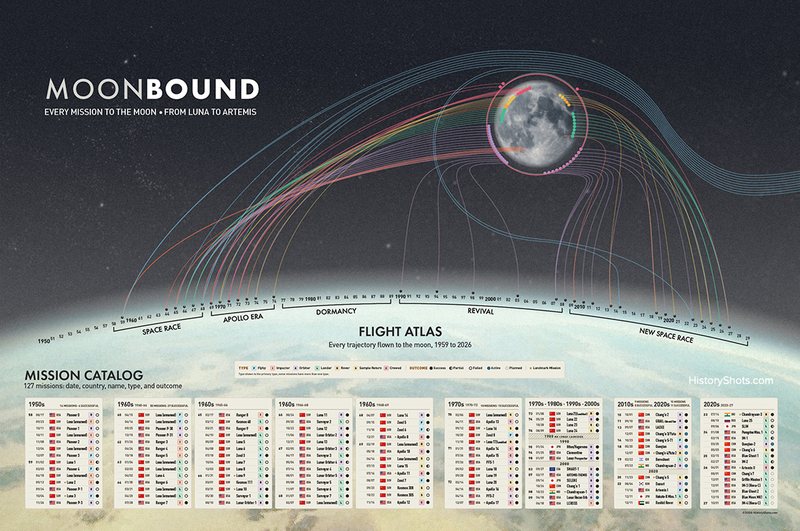
Luna 18 was a Soviet mission intended to continue the race for robotic lunar sample return. Launched on September 2, 1971, the spacecraft was designed to soft-land on the Moon, collect a sample of lunar soil, and return it automatically to Earth. It followed the successful Luna 16 mission and was part of the Soviet Union’s effort to refine robotic sample-return technology.
After entering lunar orbit, Luna 18 spent several days preparing for landing. During its descent on September 11, 1971, the spacecraft encountered mountainous terrain in the Mare Fecunditatis region and lost contact before touchdown. It ultimately crashed into the lunar surface, ending the mission before any samples could be collected.
Although unsuccessful, Luna 18 demonstrated the challenges of precision lunar landings. The mission provided engineering lessons that contributed to later Soviet successes, including the sample-return missions of Luna 20 and Luna 24.
Sources and notes can be found on the Sources page.