Mission Summary
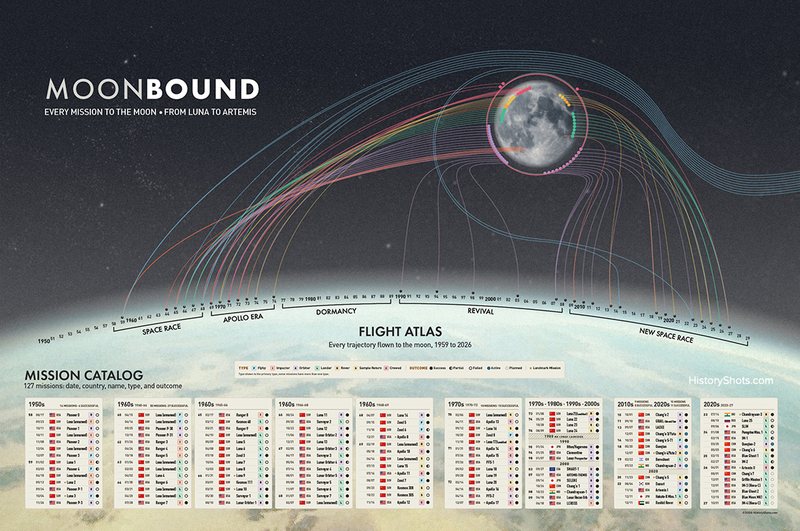
Luna 20 was the Soviet Union’s second successful robotic mission to collect lunar samples and return them safely to Earth. Launched on February 14, 1972, the spacecraft landed in the rugged highlands near Mare Fecunditatis, a different geological region from the basalt plains sampled by Luna 16.
After a successful soft landing, Luna 20 drilled into the lunar surface and collected about 55 grams of soil and rock. The ascent stage then lifted off automatically, carrying the sealed sample capsule back to Earth. The capsule landed safely in Kazakhstan on February 25, 1972, completing another fully automated round trip to the Moon.
The mission demonstrated the reliability of the Soviet robotic sample-return system and provided scientists with valuable highland material for comparison with samples collected by the Apollo missions and Luna 16. Luna 20 remains one of only a handful of missions to have returned samples from the Moon.
Sources and notes can be found on the Sources page.